The focus is shifting from discovery to prediction
The central challenge is shifting from finding new treatments to predicting their real-world impact. Integrating human neural activity measurements with advanced analytics can provide deeper insights into treatment response, enabling more accurate assessments of drug efficacy.
3D Human Brain Organoids for Predictive CNS Safety Assessment
The study integrates a diverse panel of reference compounds with well-characterised preclinical and clinical outcomes across multiple therapeutic areas. By comparing organoid-derived functional and molecular responses with established human clinical data, the programme aims to validate the platform's ability to predict clinically relevant drug responses and identify potential safety liabilities at an early stage of development.
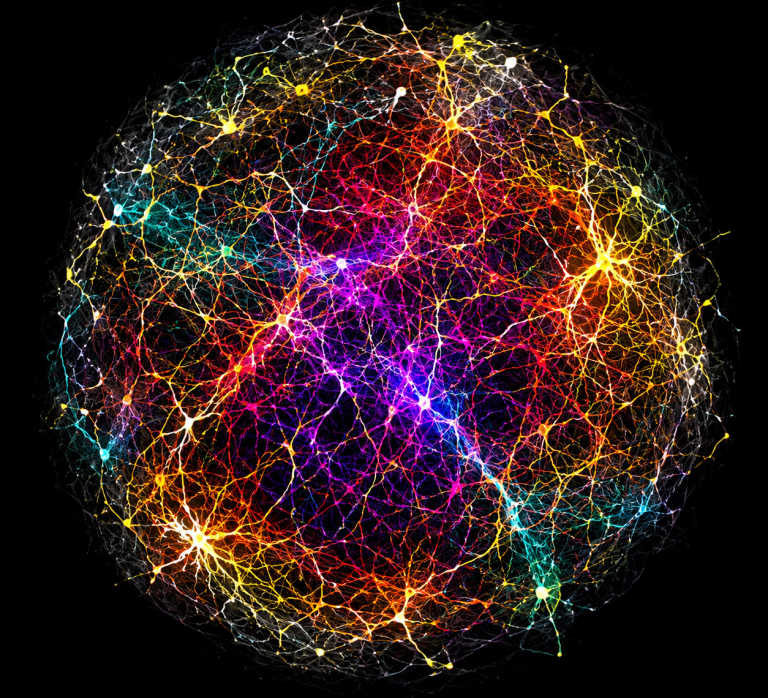
The Future of Alzheimer's Disease Modelling
Traditional Alzheimer’s disease models often fail to fully reproduce the complexity of the human brain. Our advanced 3D human brain organoid models recreate key aspects of neural architecture, cellular interactions, and disease-associated changes, providing a more physiologically relevant system for studying neurodegeneration.
01
Organoid Generation
Generate physiologically relevant 3D human brain organoids derived from induced pluripotent stem cells (iPSCs), reproducing key structural and cellular features of the human brain.
02
Alzheimer's Disease Modelling
Recreate hallmark Alzheimer's disease pathology, including amyloid-β accumulation, tau pathology, neuroinflammation, and neuronal dysfunction for translational research.
03
Drug Screening
Evaluate therapeutic candidates using high-content imaging, molecular biomarkers, and functional assays to identify compounds with disease-modifying potential.
04
Predictive Toxicology
Improve preclinical decision-making by predicting efficacy, neurotoxicity, and patient-specific responses using advanced human-relevant organoid platforms.
Normal Human Brain 3D Organoid Model
Our normal human brain organoids are three-dimensional neural tissues derived from human induced pluripotent stem cells (iPSCs). These organoids recapitulate key aspects of early human brain development, including neuronal differentiation, cortical organization, and neural network formation, providing a physiologically relevant platform for neuroscience research, drug discovery, and safety assessment.
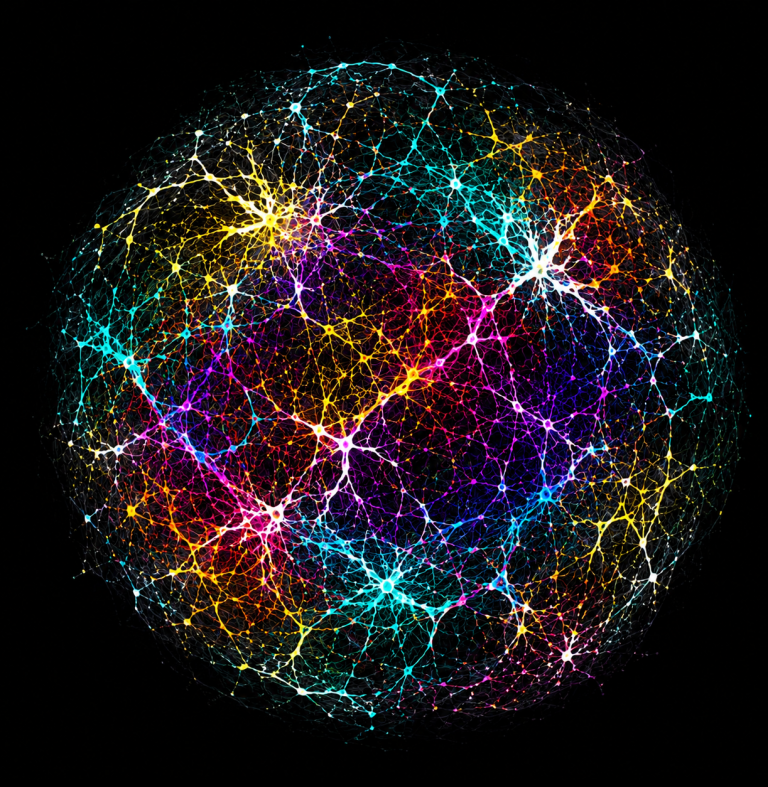
01
Human Brain Development
Recapitulates early stages of human neuron development through the formation of organised neural tissues, supporting studies of brain maturation and developmental biology.
02
Cellular Diversity
Contains multiple neural cell populations, including neurons, astrocytes, and neural progenitor cells, enabling physiologically relevant cellular interactions.
03
Functional Neural Networks
Develops interconnected neuronal circuits with spontaneous electrical activity, providing a valuable model for studying neural function and connectivity.
04
Safety Testing
Supports efficacy screening, neurotoxicity assessment, and mechanism-of-action studies using a human-relevant three-dimensional platform.
Duis autem vel eum iriure
Lorem ipsum dolor sit amet, consetetur sadipscing elitr, sed diam nonumy eirmod tempor
invidunt ut labore et dolore magna aliquyam erat, sed diam voluptua.
Ut wisi enim ad
Lorem ipsum dolor sit amet, consectetur adipiscing elit. Nulla euismod condimentum felis vitae efficitur. Sed vel dictum quam, at blandit leo.